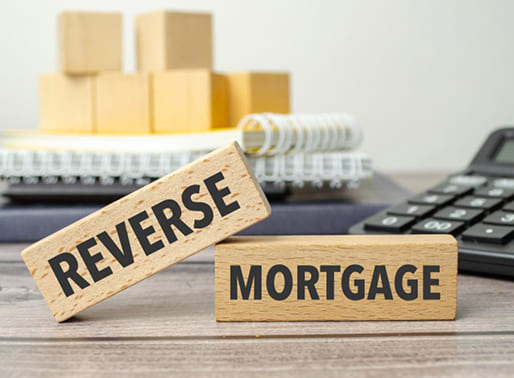
A reverse mortgage allows eligible homeowners to access a portion of their home equity without required monthly mortgage payments. Instead of making payments, interest is added to the balance over time, and the mortgage is typically repaid when:
the home is sold,
the homeowner moves out permanently, or
another repayment event occurs as outlined in the mortgage agreement.
This strategy is often used to improve retirement cash flow, reduce monthly pressure, or create flexibility without selling the home.
Who it’s for
Homeowners (typically 55+) who want extra cash flow without taking on a monthly payment
Retirees who want to stay in their home longer and access equity responsibly
People who want to reduce financial pressure while keeping investments intact (depending on the plan)
Homeowners who want a clear plan for equity use that aligns with family and estate goals
Pros and Cons / considerations
Pros
No required monthly mortgage payments
Helps improve cash flow and reduce monthly obligations.
Flexibility for retirement cash flow
Funds can be used for lifestyle, medical needs, home improvements, debt repayment, or planning.
Can reduce pressure on investments (depending on plan)
Some retirees use equity so they don’t have to sell investments at the wrong time.
Cons
Interest compounds and the balance grows
Because payments aren’t required, the balance typically increases over time.
It can reduce future equity
This can impact the amount of equity available later for downsizing or heirs.
Rates and fees differ from traditional mortgages
Reverse mortgages can have different pricing and costs depending on structure.
It must fit your estate and family plan
The best reverse mortgage plan includes a conversation about timelines, goals, and transparency with family.
It can. Because the balance grows over time, it may reduce the remaining equity. That’s why we plan around your timeline and goals and encourage family transparency.
No. Depending on your situation, a refinance, HELOC, downsizing plan, or a combination strategy may be a better fit. The goal is picking the option that best supports cash flow and peace of mind.